

Phase Two Ceasefire Fails to Ease Israeli Grip on Gaza

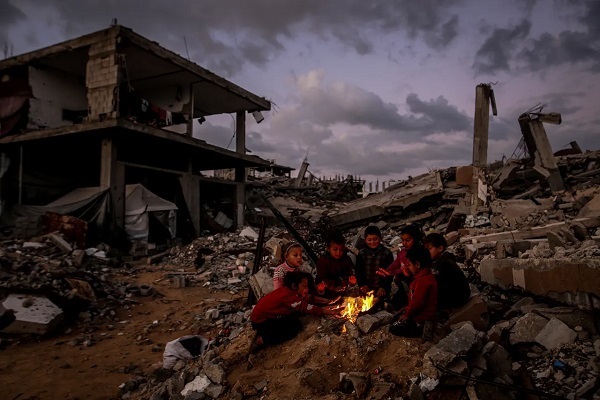
With the Israeli regime still commanding border crossings and conducting intermittent military strikes, the flow of aid is stifled and conditions on the ground remain dire.
Despite announcements last week that the second phase of the ceasefire had begun, Israel has kept the Rafah crossing largely closed, blocking travel for medical treatment and restricting the flow of humanitarian assistance, according to residents and aid groups.
Displaced Palestinians say hopes that a new Gaza administration will ease conditions are fading quickly, as Israel openly opposes the arrangement and continues to dominate Gaza’s borders, airspace and aid approvals.
Meanwhile, Israel has continued its military operations during the supposed ceasefire, killing hundreds of Palestinians and ordering the shutdown of international humanitarian organizations that provide medical care and food, further worsening the crisis.
The National Committee for Gaza Management, a technocratic body formed to run Gaza’s day-to-day affairs in the ceasefire’s second phase, met for the first time in Cairo last week, but many Palestinians say it lacks real power under Israeli restrictions.
Analysts say the Israeli regime’s prime minister, Benjamin Netanyahu, has shown no intention of implementing ceasefire obligations, describing the second phase as “symbolic” and avoiding steps such as opening Rafah or withdrawing forces.
Aid agencies and the United Nations say Israeli inspections, permit delays and border controls continue to choke the delivery of food, medical supplies and reconstruction materials, leaving Gaza almost entirely dependent on crossings under full Israeli security control.
Read More:
For displaced families living in shelters and ruined buildings, talk of new administrations and ceasefire phases feels disconnected from reality, as they report ongoing shelling, lack of aid, and what they describe as Israel’s deliberate use of humanitarian suffering as a form of collective punishment.
Source: Agencies
